Smart Drone Decisions: A Clear Guide to Aircraft and Aerial Specialists
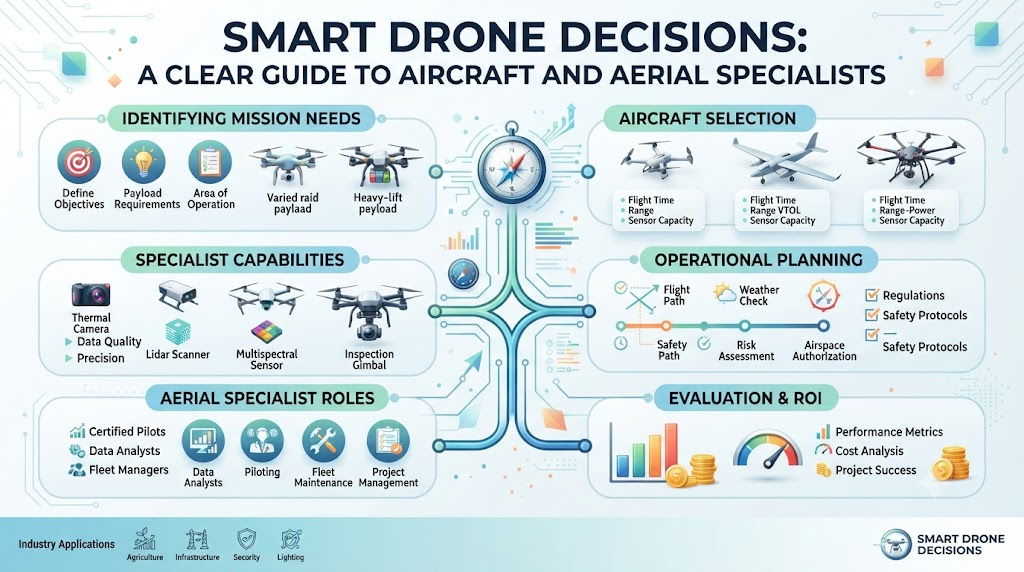
Choosing an aircraft or booking a flight specialist often feels like solving a maze. Department store aisles and online catalogs feature dozens of flyers with strange letters and confusing price tags. Business managers want aerial data to speed up daily work, but they worry about wasting cash on fragile toys. People also stress over strict aviation laws, safety risks, and finding dependable operators who carry proper paperwork. You do not need to figure out these modern tools alone. A friendly research hub like DronesBee.com helps buyers and companies navigate the market without any headaches. The website gathers straightforward equipment tips and connects you with tested flight pros in one convenient place. Now, anyone can explore flying gear, review local flight choices, and launch an aerial project with total peace of mind.
What is DronesBee.com?
DronesBee.com serves as an open discovery hub for the growing world of remote aircraft. It helps curious beginners and busy project managers understand flight gear without sorting through dry technical papers. The site compiles scattered industry facts into brief, clear articles that anyone can follow.
Here are four simple ways you can use the platform:
- Browse the gear catalog: Explore an open directory of popular copters, handheld controllers, and flight accessories.
- Locate vetted pilots: Search an organized roster of licensed operators available for hire near your home city.
- Review flight rules: Read plain advice on safe battery habits, weather precautions, and national aviation regulations.
- Check real owner feedback: Read practical ratings from everyday flyers before spending your hard-earned project budget.
Next, you can see how to choose an aircraft that fits your specific daily goals.
Picking the Right Flying Machine
Selecting your first aircraft should always feel fun rather than stressful. New shoppers often make the mistake of buying the biggest machine in the store. But oversized models break easily during minor crashes, and replacement parts cost a fortune.
First, check total battery run time. Most small multi-rotor craft stay airborne for twenty to thirty minutes per battery charge. Wind pushes against the motors and burns energy fast, so always keep two spare packs in your gear bag.
Next, look closely at the camera lens. A basic camera sensor handles casual backyard family clips very well. But crisp commercial pictures demand a bigger glass sensor that gathers plenty of ambient daylight.
Before spending any cash, read balanced drone reviews written by active flyers who test aircraft in real weather. Field tests reveal how copters handle chilly mornings and sudden wind gusts. Studying hands-on tests helps you pick between the best drones without any costly buyer regret later.
Evaluating Hardware Side by Side
Never purchase the first attractive aircraft that pops up on a sales page. You must evaluate key components side by side to ensure the tool matches your true job requirements.
Start by comparing maximum payload capacity. A featherweight frame stays up in the sky longer on a single battery charge. But a sturdier frame can lift useful add-on tools like optical zoom lenses or heat sensors.
Also, examine the built-in collision sensors. Reliable machines use miniature stereo sensors to detect solid fences, trees, and buildings before an impact happens. New flyers need these smart sensors to protect their investment during early practice sessions.
You can set up a quick drone comparison between popular models to see how they match up. Always review the verified drone specifications provided by the manufacturer before you complete your purchase.
Key Factors When Buying a Drone
| Key Factor | What to Look For | Common Buying Trap | Why It Matters |
| Flight Time | Seek craft offering 25 to 35 minutes of real hover time. | Believing indoor factory ratings that ignore stiff outdoor breezes. | Short flight times force you to land and swap packs too frequently. |
| Camera Sensor | Choose a one-inch sensor size for sharp, colorful photos. | Falling for big megapixel numbers matched with tiny plastic lenses. | Large sensors produce bright pictures during early morning and late evening jobs. |
| Obstacle Sensors | Look for multi-directional sensing on front, back, and bottom surfaces. | Picking bare-bones models to save a few dollars upfront. | Automatic sensors stop costly crashes into unseen tree branches and brick walls. |
| Signal Range | Pick a modern digital video link that stays clear across several miles. | Relying on short-range phone Wi-Fi connections for outdoor work. | Weak signals create static screens and trigger scary lost-link situations. |
| Total Weight | Check if the frame stays under 250 grams total takeoff weight. | Forgetting that heavier aircraft require formal government registration tags. | Ultra-light frames face fewer travel bans and simpler legal paperwork. |
Hiring Professional Help for High-Stakes Jobs
Many times, flying a drone by yourself is not a smart move for a business. Operating near active roadways, high-voltage lines, or public crowds creates major legal risks. If you lose control of your machine, you could face expensive property damages or government fines.
Licensed commercial operators carry business liability insurance and formal aviation credentials to protect people nearby. They monitor shifting winds and know how to avoid low-altitude rescue helicopters.
Hiring commercial drone services spares your company from big equipment purchases and long training curves. You do not need to buy complex mapping software or spend weeks practicing hand controls. Instead, find vetted drone pilots near me to complete tricky jobs swiftly and safely.
Capturing Stunning Media from Above
High-resolution aerial visuals help any business stand out against local competitors. Real estate teams fly cameras to highlight large building lots, scenic views, and quiet neighborhood streets. A smooth overhead video shows nearby schools, parks, and highway ramps in a few seconds.
Event planners also book aerial cameras to capture garden weddings from dramatic overhead positions. Movie crews use small copters instead of hiring noisy, full-sized helicopters that cost thousands of dollars.
Hiring skilled aerial photography services delivers balanced color profiles and rock-steady camera movements on every project. These seasoned specialists provide clean, polished footage that makes your company look modern and capable.
Mapping Land and Job Sites Accurately
Site developers and civil engineers need to track changing ground conditions every single week. Walking across a rugged sixty-acre dirt parcel takes hours of exhausting foot work.
A mapping aircraft flies over the property in a planned back-and-forth grid pattern. It takes hundreds of overlapping photos with exact satellite positions attached to every image. Then, modern computer software stitches those pictures into accurate 3D site models.
Using modern drone surveying services helps site foremen calculate gravel piles, plan water drainage lines, and verify weekly job progress. These detailed digital maps keep construction projects on schedule without stopping bulldozers on the ground.
Checking Hard-to-Reach Infrastructure Safely
Sending human workers up tall utility towers or steep factory roofs is extremely dangerous. Serious ladder falls cause bad workplace injuries across the country every year.
Remote aircraft remove this danger by flying directly up to hazardous spots. They bring telephoto zoom lenses and thermal heat sensors right to the structure. The pilot stands safely on the ground while inspecting cracked concrete or loose metal bolts.
Energy providers use drone inspection services to check tall wind turbine blades, power cables, and storage tanks. This fast inspection method spots small cracks early and keeps workers safe on flat ground.
Modern Farming from the Air
Modern crop farms often stretch across hundreds of sprawling rural acres. A grower cannot walk every single field row on foot to check for bug damage or dry soil.
Special farm copters carry multispectral sensors that evaluate plant vigor from above. Thriving crops reflect sunlight in a totally different way than thirsty or diseased crops. A farmer reads a simple color map on a handheld tablet to spot problem areas in minutes.
Many growers now book specialized agricultural drone services to apply liquid treatments strictly where plants need help. This precise aerial spraying cuts down on chemical costs and prevents chemical runoff into nearby creeks.
Commercial Drone Services Comparison
| Service Type | Typical Equipment | Main Business Benefit | Safety Check Needed |
| Media & Photo | Light quadcopters with steady 4K cameras and neutral-density glass. | Produces eye-catching visuals that draw new paying clients. | Watch out for low tree branches and sudden wind gusts. |
| Land Surveying | Heavy multi-rotors or fixed-wing flyers with RTK satellite units. | Delivers millimeter-level 3D maps in a few short hours. | Keep clear of low flight paths near local airports. |
| Site Inspection | Rugged, weather-proof airframes fitted with thermal lenses. | Protects human workers from climbing risky roof ladders. | Maintain safe clearance from high-voltage electric wires. |
| Farm Spraying | Giant multi-rotor craft carrying large fluid tanks and pumps. | Reduces chemical use by treating only troubled crop areas. | Avoid chemical mist drift near homes on breezy mornings. |
Real-Life Drone Scenarios
Looking at real field examples shows how aerial tools solve everyday problems:
- The Commercial Broker: Marcus needed to market an empty business park with twenty acres of parking. He contracted an aerial crew who delivered a dynamic three-minute video tour. An out-of-town investor saw the building’s highway access clearly and placed an offer in two weeks.
- The Orchard Owner: Elena noticed stunted leaf growth in her southern apple orchard. An aerial scout flew a sensor craft overhead and discovered a clogged underground irrigation pipe. Elena repaired the pipe that afternoon, saving fifteen thousand dollars in fresh fruit.
- The School District: A local school board had to inspect aging gym roofs across four separate schools. A certified pilot checked all four buildings in a single morning using a thermal camera. The team found three hidden water leaks early without setting up heavy aluminum scaffolding.
8 Common Drone Mistakes to Avoid
- Hiring an Uninsured Pilot: Never hire an operator who does not carry full commercial flight insurance. If an aircraft strikes a building, you could end up paying for all the damages yourself.
- Ignoring Airspace Maps: Never launch an aircraft inside restricted zones near airports or military bases. Always open an official airspace app on your mobile phone before powering your propellers.
- Buying Beyond Your Skill Level: Do not purchase a high-end cinema drone for your first flight lessons. Start with an inexpensive mini trainer to master basic stick movements before flying expensive tools.
- Flying Through Bad Weather: High wind gusts and moisture can burn out electric motors within seconds. Check local wind reports and keep your machine packed away during rainy or stormy conditions.
- Skipping Pre-Flight Checks: Rushing into the sky leads to loose rotor blades and painful crashes. Spend two quiet minutes checking your motor mounts, airframe screws, and battery latches before takeoff.
- Neglecting Cold Battery Care: Freezing outdoor air drains small lithium batteries much faster than warm weather. Keep your extra batteries warm inside your coat pocket until you insert them into the drone.
- Losing Visual Line of Sight: Never look solely at your controller screen while flying across open land. Always keep your direct eyes on the aircraft to spot birds, power cables, and approaching planes.
- Using Slow Memory Cards: Never place cheap, slow memory cards inside high-speed 4K camera gear. Use high-speed professional memory cards so you never lose crucial media files during a recording session.
The 7-Step Drone Planning Process
Use this simple step-by-step framework to keep every aerial project smooth and safe:
Goal → Search → Shortlist → Compare → Ask → Verify → Decide
- Goal: Define your main task. Decide whether you need casual video clips, building inspections, or topographic maps.
- Search: Look through public gear catalogs and local pilot listings to see what solutions match your project.
- Shortlist: Pick two proven drone models or two local flight operators with positive client feedback.
- Compare: Evaluate your top options side by side. Review flight times, camera capabilities, total costs, and past portfolios.
- Ask: Send clear questions directly to the pilot or dealer. Inquire about backup equipment, safety protocols, and delivery schedules.
- Verify: Confirm commercial pilot certificates and insurance documents to make sure your project stays fully legal.
- Decide: Book your certified pilot or buy your chosen gear with complete confidence.
Frequently Asked Questions
Question 1: Do I need a license to fly a drone for my business?
Yes, you must hold a valid commercial drone license to fly for any business purpose. Aviation authorities treat business flights differently than casual weekend park flights. Even if you do not charge money, using aerial footage to market a home counts as business work. You must study airspace safety, pass an official written exam, and renew your credentials regularly.
Question 2: What is the main difference between consumer and commercial drones?
Consumer drones are lightweight, foldable machines built primarily for casual holiday videos and family fun. They feature fixed camera lenses and simple plastic bodies. Commercial drones carry larger carbon-fiber frames, swappable thermal cameras, and centimeter-accurate satellite units. They also feature weather-sealed parts, dual controls for pilot and camera operator, and longer battery life for hard industrial tasks.
Question 3: How long can a standard commercial drone stay in the air?
Most modern commercial drones remain in the air for twenty-five to forty minutes on one battery pack. Heavy camera sensors, strong winds, and freezing air can shorten this flight time. Commercial flight crews always bring rapid-charging hubs and six to eight spare battery sets to each job site. This charging setup allows pilots to rotate batteries and fly all day without delays.
Question 4: Can drones fly safely in the rain or heavy snow?
Most consumer drones cannot fly in rain or snow because moisture short-circuits internal wiring. Water on the camera lens also blurs your pictures and ruins important project footage. However, specialized commercial drones feature water-resistant shells and high weather ratings. These rugged craft can fly through mist, light rain, and snow to complete critical rescue or industrial tasks safely.
Question 5: How high can I legally fly my drone outdoors?
In most countries, the legal maximum flight ceiling is four hundred feet above the ground. This strict limit keeps small remote aircraft separated from passenger jets and emergency medical helicopters. If you fly right next to a tall building, specific rules may allow you to fly higher. Always check a trusted aviation app to confirm the legal ceiling before every flight.
Question 6: What happens if my drone loses its wireless controller signal?
Modern drones use satellite positioning to remember their exact launch spot before taking off. If your radio signal cuts out or the remote battery dies, the machine triggers an automatic failsafe. The drone pauses, rises to a safe travel height, and flies directly back to the takeoff point. It lands gently on the grass without requiring any manual stick input from you.
Question 7: How much does it cost to hire an insured commercial drone pilot?
Hiring an insured commercial pilot typically costs between one hundred and three hundred dollars per hour. Standard real estate video shoots usually run between two hundred and four hundred dollars total. On the other hand, complex industrial mapping or thermal tower checks can cost several thousand dollars per day. Final pricing depends on equipment risk, data processing needs, and travel time.
Question 8: Why should I hire a pilot instead of buying a cheap drone myself?
Buying an aircraft looks cheaper on paper, but extra expenses mount quickly. You must purchase spare flight batteries, editing programs, transport cases, and commercial flight insurance. You also need dozens of practice hours to fly smoothly and avoid obstacles. Hiring an experienced pilot gives you clean, professional results immediately while protecting your business from costly legal headaches.
Question 9: What is obstacle avoidance and do I really need it on my drone?
Obstacle avoidance uses small vision sensors and radar chips placed around the frame to detect solid obstacles. If you fly toward a tree branch or building wall, the system stops the drone in mid-air automatically. Beginners benefit greatly from this safety tool because judging distance on a phone screen is tricky. It prevents expensive damage and keeps nearby people safe.
Question 10: What does an RTK system do on a mapping drone?
RTK stands for real-time kinematics, which is a high-precision satellite correction tool. Standard civilian GPS pins your location within several feet. An RTK unit connects to a fixed ground station and measures land points down to a single centimeter. Surveyors and builders depend on this extreme precision to create accurate property boundaries, grade elevations, and structural blueprints.
Question 11: How do weather and wind affect my drone flight plans?
Strong wind gusts force electric motors to spin faster, which burns through battery power much quicker. Gusty winds can also shake lightweight copters, resulting in blurry photos and jittery video clips. Cold outdoor temperatures weaken battery chemistry and can trigger unexpected power drops. Always check local flight forecasts and stay grounded whenever wind gusts exceed twenty miles per hour.
Question 12: How do I store and care for my drone lithium batteries safely?
Store your lithium batteries inside a fire-resistant case at normal room temperatures away from direct sunlight. Never store your battery packs fully drained or fully charged for more than two weeks. Quality smart batteries will slowly discharge themselves down to safe storage levels after several idle days. Inspect your packs regularly and dispose of any battery that displays swelling, dents, or tears.
Safe Skies and Smart Choices
Exploring the modern world of drones is both exciting and rewarding. Whether you buy a pocket-sized aircraft for weekend family trips or hire an industrial crew for site surveys, safety comes first. Always respect local aviation rules, verify the weather, and protect people on the ground. Research your gear options carefully before spending your company budget. When you need dependable advice and verified flight professionals, visit DronesBee.com to discover the right tools for your next aerial project.
Leave a Reply