Top Skills Modern Technology Companies Look for in Junior Cloud Candidates
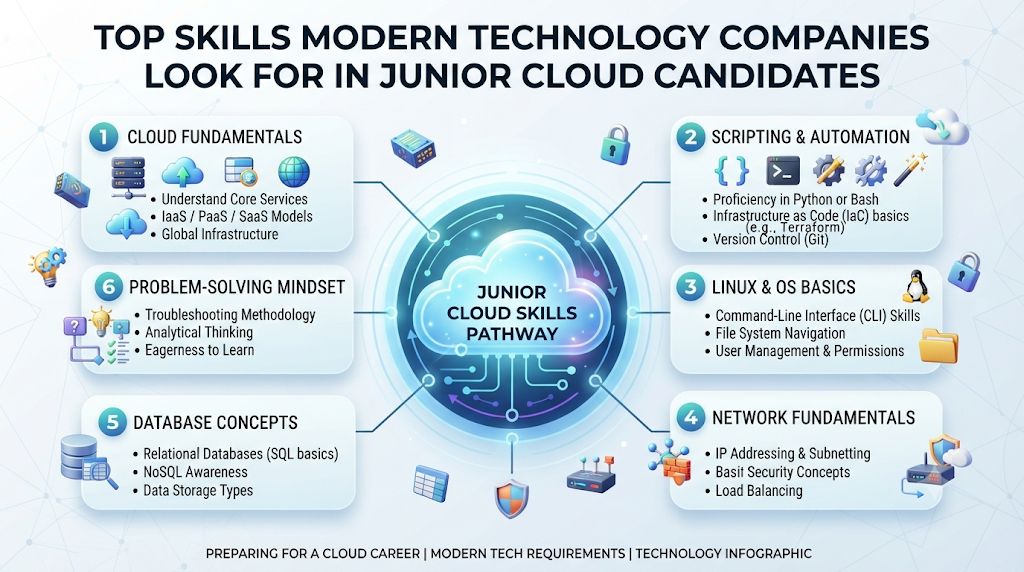
The modern technology world moves forward at a blinding pace. Starting a fresh path can feel quite daunting at first glance. Many beginners look at the vast tool landscape and feel totally overwhelmed. Watching random online clips does not give you a reliable direction. You need a structured plan to protect months of valuable study time. A smart schedule builds your confidence step by step every single week. This guide serves as your friendly map to ultimate success. We encourage you to check out DevOpsSchool.org for free community learning support. Let us discover how you can build a rock-solid foundation today.
What is DevOpsSchool.org
What makes this platform wonderful for aspiring tech professionals? DevOpsSchool.org is a completely free online hub for modern students. It offers clear 90-day study guides to structure your daily habits. You can browse its massive open tool directory to discover helpful software. The site also features an exam registry to help you choose tests. Beginners receive free career assistance from friendly, experienced industry experts. The entire platform exists to support your growth from zero to expert. You will never feel alone or confused while studying here. The community is welcoming and always ready to share great tips.
Starting with a Step-by-Step Learning Plan
Having a clear timeline protects you from wasting precious hours. You must begin by following a structured DevOps roadmap. This roadmap shows you the exact order of topics to master. Next, you need an actionable DevOps learning path for daily practice. This path breaks massive technical goals into tiny, manageable daily pieces. First, you study basic operating system commands on your computer. Then, you practice writing simple text files and scripts. Finally, you connect your code to a remote virtual server. Following this steady routine guarantees continuous progress without mental burnout.
Skills Needed to Become a Full Engineer
You must master daily basics before building complex cloud systems. Your journey starts with a reliable DevOps engineer roadmap. This map focuses heavily on the Linux operating system. Linux runs almost all modern servers across the global internet. Next, you must learn version control to save your code safely. Git is the most popular tool used to track file changes. After that, practice writing short automation scripts. Scripting helps machines do boring, repetitive tasks for you. These core skills form the bedrock of your technical career. Never skip these foundational steps if you want long-term success.
Choosing the Right Software for Daily Work
Modern teams rely on many smart software utilities to save time. Engineers call these helpful programs daily DevOps tools. They automate slow manual tasks and test new code instantly. For instance, continuous integration programs check your code for bugs automatically. Infrastructure utilities help you spin up virtual servers in seconds. You should start by learning just one simple tool deeply. Understand how it works behind the scenes before moving forward. Do not try to collect twenty different tools in your first week. Small, focused steps always lead to massive career achievements over time.
Evaluating Technology Options Side by Side
There are hundreds of software choices available on the internet today. You must compare them carefully before adding them to your daily stack. A detailed DevOps tools comparison helps you pick the smartest option. First, check how easy the software is to install and run. Next, look at its monthly cost and community support. Compare container platforms like Docker to see which runs your apps faster. Look at monitoring utilities to see which alerts you about server crashes. Taking time to evaluate your tools prevents major headaches later. DevOpsSchool.org offers simple comparison charts to guide your choices.
Core Engineering Areas & Beginner Projects
Here is a quick breakdown of essential skills and beginner projects.
| Skill Area | Key Focus | Beginner Project | Why It Matters |
| Operating Systems | Linux terminal | Build a free server | Powers cloud servers |
| Code Automation | Simple scripts | Write a backup loop | Saves manual hours |
| Version Control | Tracking code | Open a Git profile | Stores code history |
| App Containers | Docker basics | Run a web page | Runs apps anywhere |
| Code Testing | Pipeline checks | Catch a code bug | Prevents bad errors |
Exploring System Reliability and Uptime
Major websites must remain online and working twenty-four hours a day. A broken web page causes a company to lose money instantly. Site reliability specialists work hard to prevent these expensive system crashes. You can follow a clear SRE roadmap to learn this vital job. This map teaches you how to monitor server health very closely. You learn to spot tiny warning signs before problems grow larger. You also write smart code to fix broken services automatically. This career path is exciting, highly respected, and very rewarding. Companies pay top salaries for professionals who keep systems running smoothly.
Understanding Internal Developer Platforms
Some engineers build internal systems for their own company coworkers. You can follow a Platform Engineering roadmap to explore this field. Platform engineers build self-service tools for software developers. These tools let coders launch new apps with a single click. They remove complex security barriers and speed up the entire team. It is like building a smooth, safe highway for new code. Developers drive their applications forward without worrying about background server setup. This reduces daily stress and helps companies release products much faster.
Validating Skills with Industry Exams
Passing official exams proves your practical knowledge to hiring managers. People in the industry call these tests DevOps certifications. They show that you understand modern cloud architecture and tool management. Big technology companies look for these credentials on incoming resumes. You study hard, pass the test, and earn a verified digital badge. You can display this badge proudly on your professional profile. It helps you stand out from other applicants in a crowded job market. Earning official credentials gives you immense personal pride and career momentum.
Planning Your Exam Journey in Order
You should never attempt advanced exams on your very first day. You need a smart DevOps certification roadmap to guide your testing order. Begin with a basic foundational cloud exam to learn core terms. Passing this first test gives you a wonderful confidence boost. Next, you can study for a practical practitioner exam. These advanced tests measure your real-world troubleshooting skills. Set a realistic date for your exam to keep your studies focused. Study a little bit every single week rather than cramming overnight. DevOpsSchool.org helps you find the ideal sequence for your exams.
Comparing Career Paths & Exam Priorities
This quick table helps you choose your first study track.
| Target Role | Best Starting Track | Helpful First Exam | Top Goal |
| Cloud Admin | Basic Linux setup | AWS Cloud Practitioner | Manage virtual servers |
| Tool Builder | Code & pipelines | Basic Git Exam | Automate daily chores |
| System Guard | Server monitoring | Datadog Starter | Prevent web crashes |
| Platform Maker | Safe coding roads | Terraform Test | Build developer tools |
Finding Employment and Landing Interviews
Learning cloud skills is only the first half of your journey. Next, you must actively search for great DevOps jobs. Finding work requires patience, persistence, and a strong public portfolio. First, upload your beginner projects to a public code repository. Write clear notes explaining what your code does and why you built it. Next, connect with friendly tech professionals on career networks. Ask polite questions about their daily engineering challenges. Send out job applications every single week without stopping. A positive attitude and real project proof will win you interviews.
Real-Life Learner Journeys
Many people successfully change their careers into tech every single year. Here are some realistic examples of inspiring career transitions:
- A former accountant learns basic Python scripts to automate financial spreadsheet reports.
- A retail worker studies cloud fundamentals online to become a junior system admin.
- A university graduate builds a small personal web server to impress tech recruiters.
- A technical support specialist learns Linux commands to manage enterprise cloud infrastructure.
These stories prove that anyone can succeed with dedication and a plan.
Common Mistakes to Avoid When Learning Cloud Skills
Beginners often repeat the same avoidable mistakes during their studies. Avoid these eight common traps to learn much faster:
- Memorizing complex terminal commands without testing them on a real screen.
- Collecting dozens of paper certificates while building zero practical projects.
- Trying to learn ten different software tools simultaneously on day one.
- Skipping fundamental Linux training because it appears too dry or boring.
- Refusing to ask the online community for help when stuck on an error.
- Watching long video tutorials passively without typing the code yourself.
- Forgetting to save your code history using version control software.
- Giving up immediately when the first red error message appears.
Fixing these small habits early sets you up for smooth career growth.
How DevOpsSchool.org Can Help
Building a technical career is much easier when you have support. DevOpsSchool.org is always ready to guide your learning process. We provide open roadmaps that anyone can read completely for free. Our active community members share fresh tips and tricks every single day. We also maintain a helpful directory of companies hiring fresh talent. Our tone is always warm, welcoming, and deeply supportive of beginners. You can ask any question without feeling shy or judged. Share your latest project code with us anytime for constructive feedback. Come join our friendly learning family today.
A Simple 7-Step Career Launch Plan
Follow these seven straightforward steps to kickstart your new profession.
- Goal: Choose the specific technical role you want to pursue.
- Search: Identify the core skills required for that target role.
- Shortlist: Select three essential tools to master this month.
- Compare: Evaluate two similar utilities and pick the easiest one.
- Ask: Seek advice from experienced members in the community.
- Verify: Build a tiny practice project to test your knowledge.
- Decide: Send your polished resume to a few companies weekly.
Sticking to this structured process keeps your momentum moving forward.
Frequently Asked Questions
Question 1: What is the very first tool I should learn?
You should start by learning the Linux operating system immediately. Nearly all cloud servers run on Linux environments today. Knowing how to type basic terminal commands is non-negotiable. After Linux, learn how to track code changes using Git. These two skills form the ultimate foundation for everything else.
Question 2: Do I need an expensive computer to practice cloud engineering?
You do not need a high-end or expensive computer setup. Cloud engineering happens across web browsers and remote cloud servers. You can rent cheap virtual machines online to run your tests. A standard laptop with a stable internet connection is more than enough. This keeps your startup costs very low.
Question 3: How many hours should I spend studying every single day?
Dedicate about one hour of focused study every single day. Consistent daily practice is much better than cramming for ten hours on Sunday. Your brain absorbs technical concepts much better in short, repeated sessions. Avoid burnout by taking short breaks to rest your eyes. Slow, steady progress wins the race.
Question 4: Is it possible to switch to tech without a computer science degree?
Yes, you can easily enter this field without a formal degree. Modern tech employers care far more about your actual portfolio. If you can build functional projects, managers will gladly hire you. Bring your unique past work experience into your new tech role. Real practical skill matters more than old paper diplomas.
Question 5: Which programming language is easiest for absolute beginners?
Python is widely considered the best language for beginners. It reads almost like plain English and has a clean syntax. You can write short scripts to automate boring daily tasks very quickly. Start by learning basic loops, variables, and simple logic statements. You will feel comfortable writing code in no time.
Question 6: Are online video courses enough to land a job?
Video courses are helpful, but they are never enough on their own. Watching someone else type code does not build your muscle memory. You must pause the video and type every command yourself. Build your own small variations of the instructor’s projects. Active practice is the only way to retain technical knowledge.
Question 7: What does an internal developer platform achieve for a company?
It acts like an internal self-service portal for software developers. Coders can provision their own testing servers with a single click. They no longer wait weeks for manual IT approvals. The platform hides complex security rules while keeping everything safe. This accelerates product delivery and reduces team frustration significantly.
Question 8: Why do engineering teams insist on using version control?
Version control acts like a safety net for software code. It tracks every modification made by multiple team members simultaneously. If someone introduces a bug, the team can revert the changes instantly. Git is the gold standard for tracking code history safely. Team projects would descend into absolute chaos without it.
Question 9: Should I learn Amazon Web Services or Google Cloud first?
Begin with Amazon Web Services because it is the global market leader. More companies use it, which translates directly into more job openings. However, the core cloud concepts remain identical across all major providers. Once you understand Amazon, learning Google Cloud or Azure takes very little effort.
Question 10: How can I prove my skills without professional work experience?
Build a public project portfolio on a free GitHub profile. Upload your scripts, write clear documentation, and explain your problem-solving steps. You can even record a short video showing your project working successfully. Hiring managers love seeing tangible proof of your enthusiasm and technical ability. Show your work openly to the world.
Question 11: What is the main responsibility of a site reliability engineer?
Their primary duty is keeping large applications online and healthy. They monitor digital dashboards to catch server anomalies before they cause outages. When failures happen, they troubleshoot and fix the broken code swiftly. They also write automated scripts to prevent identical crashes from recurring. They act as guardians of system stability.
Question 12: Where can I find supportive peers to practice with?
You can join the open discussion forums hosted on DevOpsSchool.org today. It is a fantastic environment filled with encouraging learners at every level. You can also find active study groups on various social media platforms. Introduce yourself politely and ask questions when you feel stuck. Having supportive peers makes learning enjoyable.
Conclusion
Starting a new professional journey requires patience, dedication, and daily focus. Treat your career transition like an exciting and rewarding engineering project. Build a solid base with Linux, Git, and consistent practice habits. Always follow a structured roadmap to avoid getting distracted by shiny trends. Build real projects to demonstrate your practical value to future employers. Never let a temporary error message discourage your long-term ambitions. The open tech community is always here to support your growth. Keep a positive mindset and help other learners along the way. You can visit DevOpsSchool.org right now to explore more free guides. Start building your bright cloud future today!
Leave a Reply